
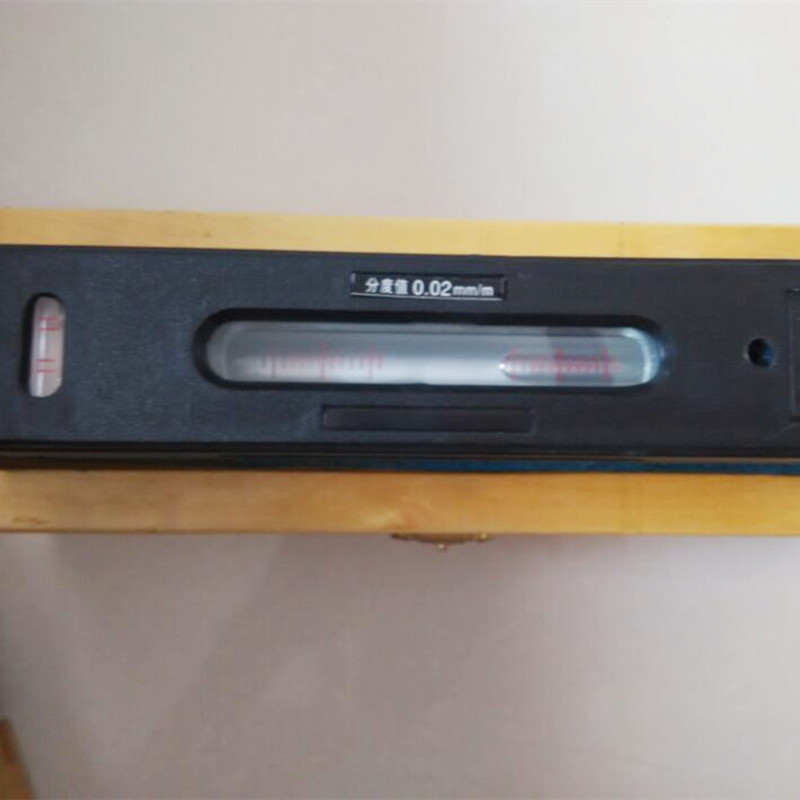
type of frosted glass
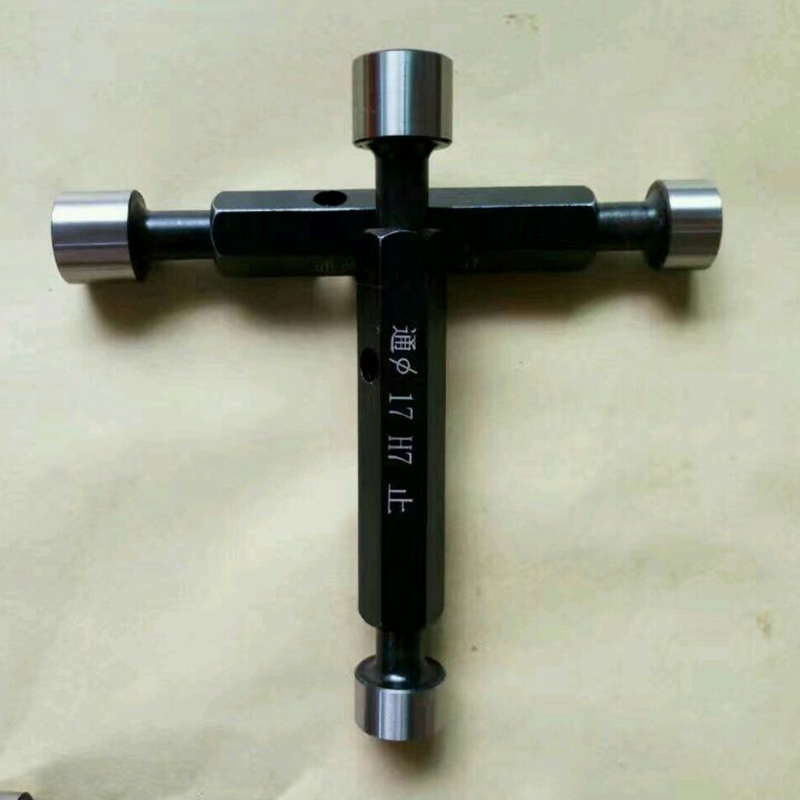
Understanding Small Hole Gauges Precision Measuring Tools for Engineers and Technicians In the world of engineering and manufacturing, precision is paramount. Whether designing intricate machinery or ensuring that components fit together perfectly, accurate measurements make all the difference. Among the many measuring tools available to professionals, small hole gauges stand out for their specific purpose and efficiency. This article delves into what small hole gauges are, how they work, and their significance in various applications. What is a Small Hole Gauge? A small hole gauge is a specialized tool designed to measure the diameter of small holes with a high level of precision. These gauges are typically used in various industries, including automotive, aerospace, and manufacturing, where the tolerance levels are incredibly tight, and the need for accurate measurements is critical. Small hole gauges can measure holes that are difficult to reach or too small for standard measuring tools. How Do Small Hole Gauges Work? Small hole gauges come in various designs, but they generally consist of a tapered rod with a measuring head that expands as it is inserted into the hole. The key features of these gauges include 1. Tapered Design The taper allows the gauge to fit snugly into the hole, enabling a reliable measurement of diameter. 2. Graduated Scale Many small hole gauges have a scale or a digital readout that provides precise measurements. Some may require manual reading, while others have advanced features for easy and accurate reading. 3. Material These gauges are often made from high-quality steel or stainless steel to ensure durability and resistance to wear and tear, especially when used in industrial settings. small hole gauge Significance of Small Hole Gauges 1. Precision Measurement Small hole gauges are essential for ensuring that parts fit together correctly. In industries like aerospace, where precision is crucial for safety and functionality, these tools are indispensable. 2. Quality Control These gauges play a vital role in quality control processes. Regular measurement of hole sizes helps identify defects early in the manufacturing process, reducing waste and ensuring that only top-quality products reach the market. 3. Versatility While primarily used for measuring small holes, these gauges can also be used in various applications, such as measuring slots and grooves, making them a versatile tool for engineers and technicians. 4. Easy to Use Most small hole gauges are designed for ease of use, which means that even those new to the profession can quickly learn to take accurate measurements. This accessibility helps improve overall efficiency in the workplace. Conclusion In conclusion, small hole gauges are a critical tool for anyone involved in the precision measurement of small holes. Their unique design and functionality enable engineers and technicians to achieve accurate results that are essential for quality control and product integrity. As industries continue to advance and the demand for high precision grows, the role of small hole gauges will remain significant. Investing in high-quality measuring tools not only facilitates better workmanship but also enhances the overall quality of products being produced. For engineers and manufacturers, a reliable small hole gauge is not just a tool—it's a necessity for success in an increasingly competitive landscape.
about
type of frosted glass
Understanding the Importance of Runout Testers in Quality Control In today's competitive manufacturing landscape, ensuring the precision and quality of components is crucial. One of the key tools utilized in this context is the runout tester, a device that measures the amount of runout present in rotating parts, such as shafts, bearings, and wheels. This article aims to delve into the significance of runout testers, their operating principles, and their applications in various industries. What is Runout? Runout refers to the deviation of a rotating object's centerline from its intended circular path. It can occur in two main forms radial runout and axial runout. Radial runout measures the variation in the distance from the center axis to the outer edge of a rotating part, while axial runout assesses how much a part wobbles along its axis of rotation. Excessive runout can lead to vibrations, accelerated wear, and premature failure of components, making it essential to monitor and control this parameter during manufacturing and assembly. How Does a Runout Tester Work? A runout tester typically consists of a probe, which is mounted on a stable platform and positioned in contact with the component being tested. As the part rotates, the probe measures the radial or axial displacement, providing real-time feedback on any runout present. The readings are often displayed on a digital screen or recorded for further analysis . Some advanced runout testers also come equipped with software that can analyze trends over time, providing predictive maintenance capabilities and aiding in quality control. The setup of a runout tester generally involves the following steps 1. Mounting the Component The part being tested is securely mounted to prevent movement during the test. 2. Positioning the Probe The probe is adjusted so that it makes contact with a specific point on the rotating surface. runout tester 3. Performing the Test The component is rotated at a controlled speed, and the probe captures displacement data. 4. Analyzing the Results The readouts indicate the level of runout, allowing manufacturers to determine whether the component meets specified tolerances. Applications of Runout Testers Runout testers are employed across various industries, including automotive, aerospace, manufacturing, and robotics. In the automotive industry, for instance, the precision of rotating elements such as crankshafts and brake rotors is critical for vehicle performance and safety. Regular testing ensures components are within acceptable tolerances to prevent vibrations and enhance overall vehicle reliability. In aerospace, where safety is paramount, runout testers are used to measure critical components such as turbine shafts and landing gear. Even slight deviations can have serious consequences, making accurate measurement essential. Additionally, in the manufacturing sector, runout testing is integral to production lines where rotating machinery is involved. By routinely checking for runout, manufacturers can minimize downtime, reduce maintenance costs, and improve product quality. Conclusion In summary, runout testers are vital tools that play a significant role in ensuring the precision and reliability of rotating components across various industries. With the ability to identify and quantify runout, these testers help manufacturers maintain high-quality standards and enhance the performance of their products. As technology continues to evolve, the capabilities of runout testers are likely to expand, incorporating advanced analytics and connectivity to further streamline quality control processes. By investing in such tools, companies not only comply with industry standards but also foster long-term operational efficiency and customer satisfaction.
-

High quality industrial productsagement

High quality industrial products
View Details -

Meet the diverse needs of customers

Meet the diverse needs of customers
View Details -

Strict quality control

Strict quality control
View Details -

Top raw materials

Top raw materials
View Details -

Trusted supplier

Trusted supplier
View Details
Our application

news and information
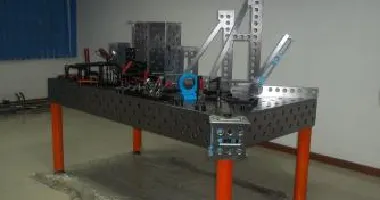
water shut off valve
Understanding Water Shut-Off Valves A Homeowner's Guide Water shut-off valves are an essential compo
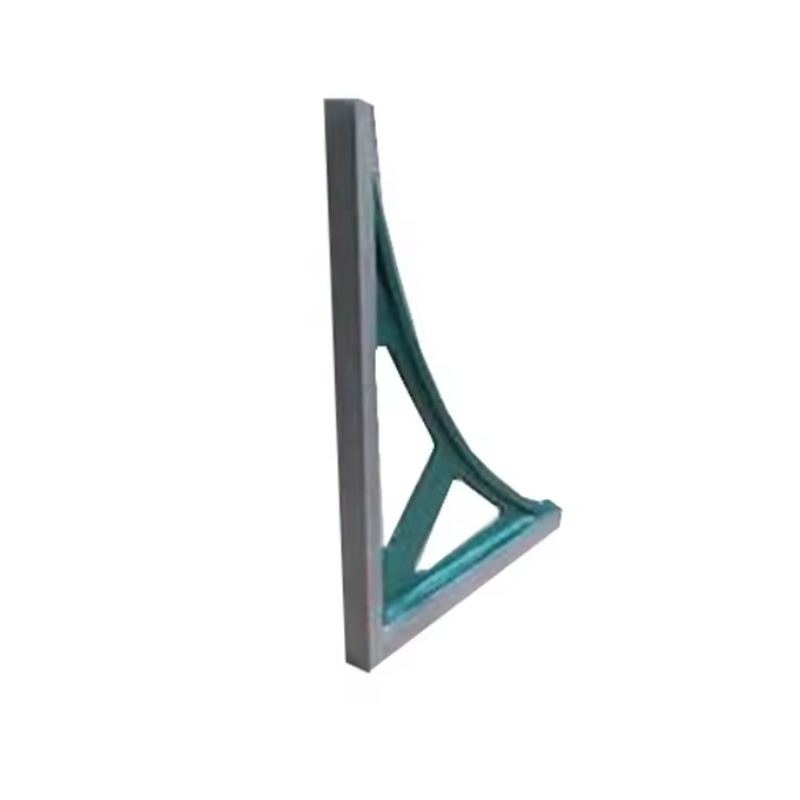
water pressure valves
Understanding Water Pressure Valves Essential Components for Efficient Water Management Water pressu
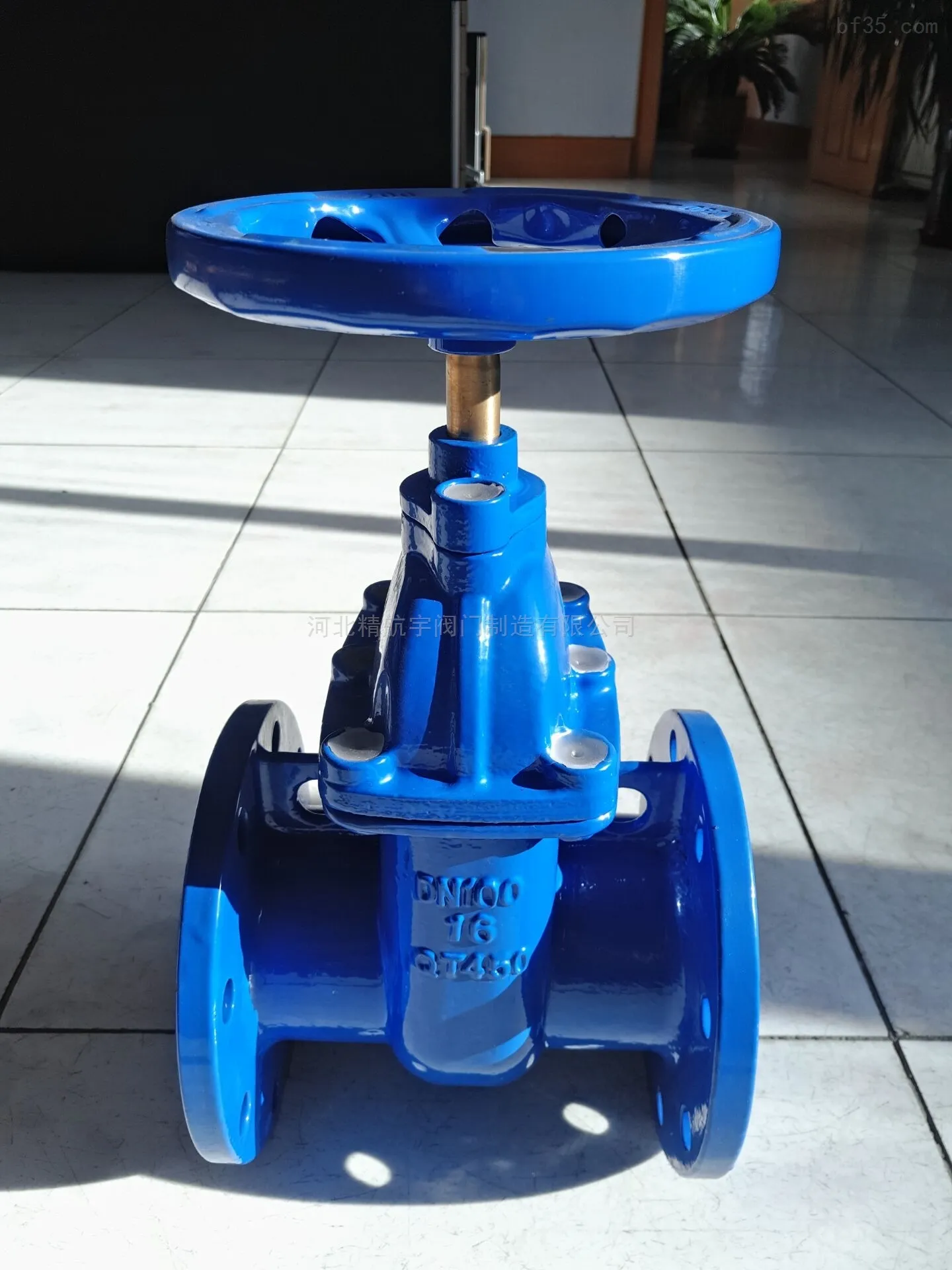
Válvula de retención de 12 mm para aplicaciones industriales y de fontanería eficientes
Válvula de Retención de 12 mm Importancia y Aplicaciones Las válvulas de retención son dispositivos
 English